The impact of new digital solutions on Schneider-Eletric factories

By Adil Mokhles · CEO EcoSpare · 3 min · 22 July 2026
Topic (single — in the URL)
Tags (several — outside the URL)
He will be the guide for participants in the Dauphine Executive Education Industry 4.0 Certificate as part of the visit to its 4.0 factory. He brings all his experience through a testimony on the way in which Schneider-Electric factories adapt to new digital solutions and on the challenges they respond to.
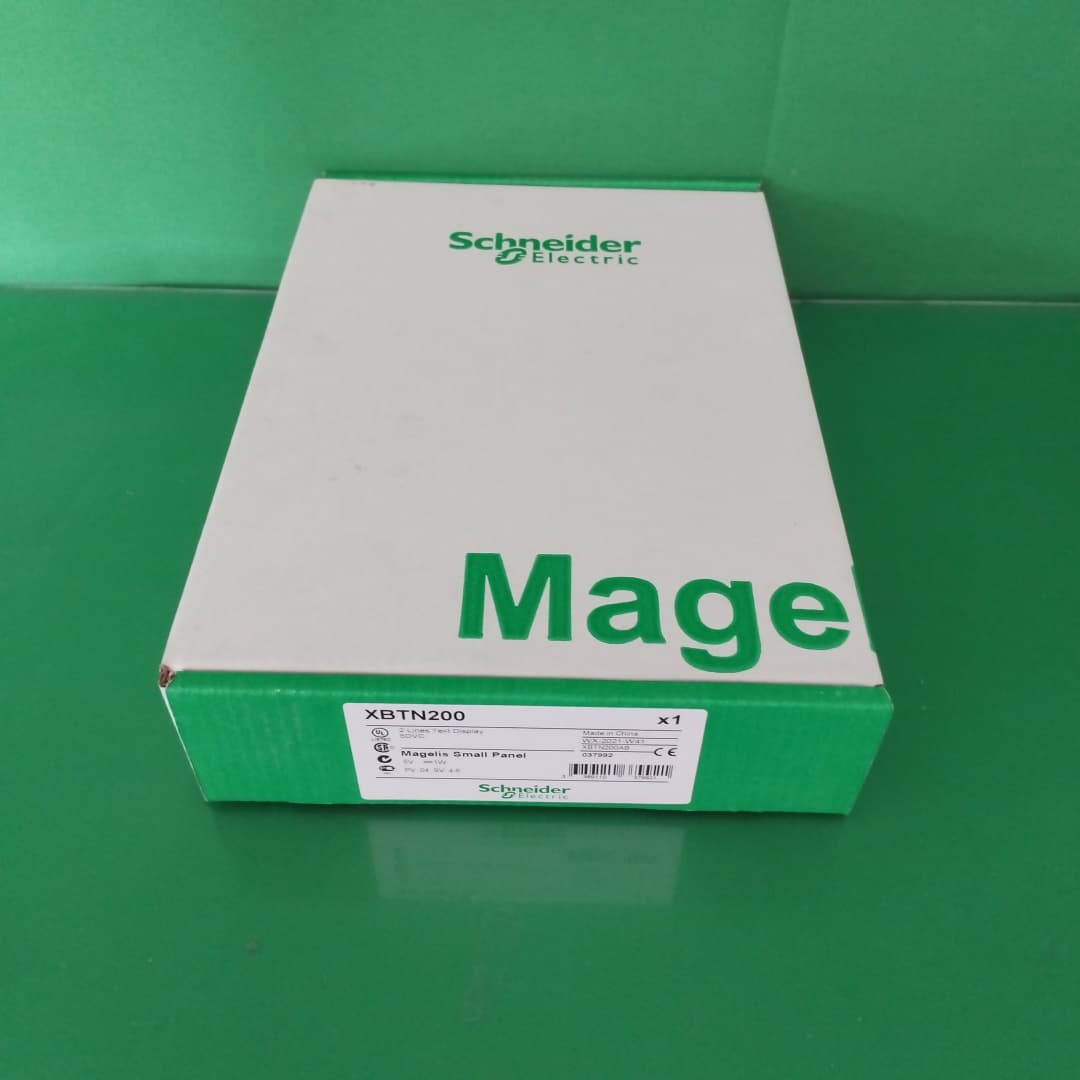
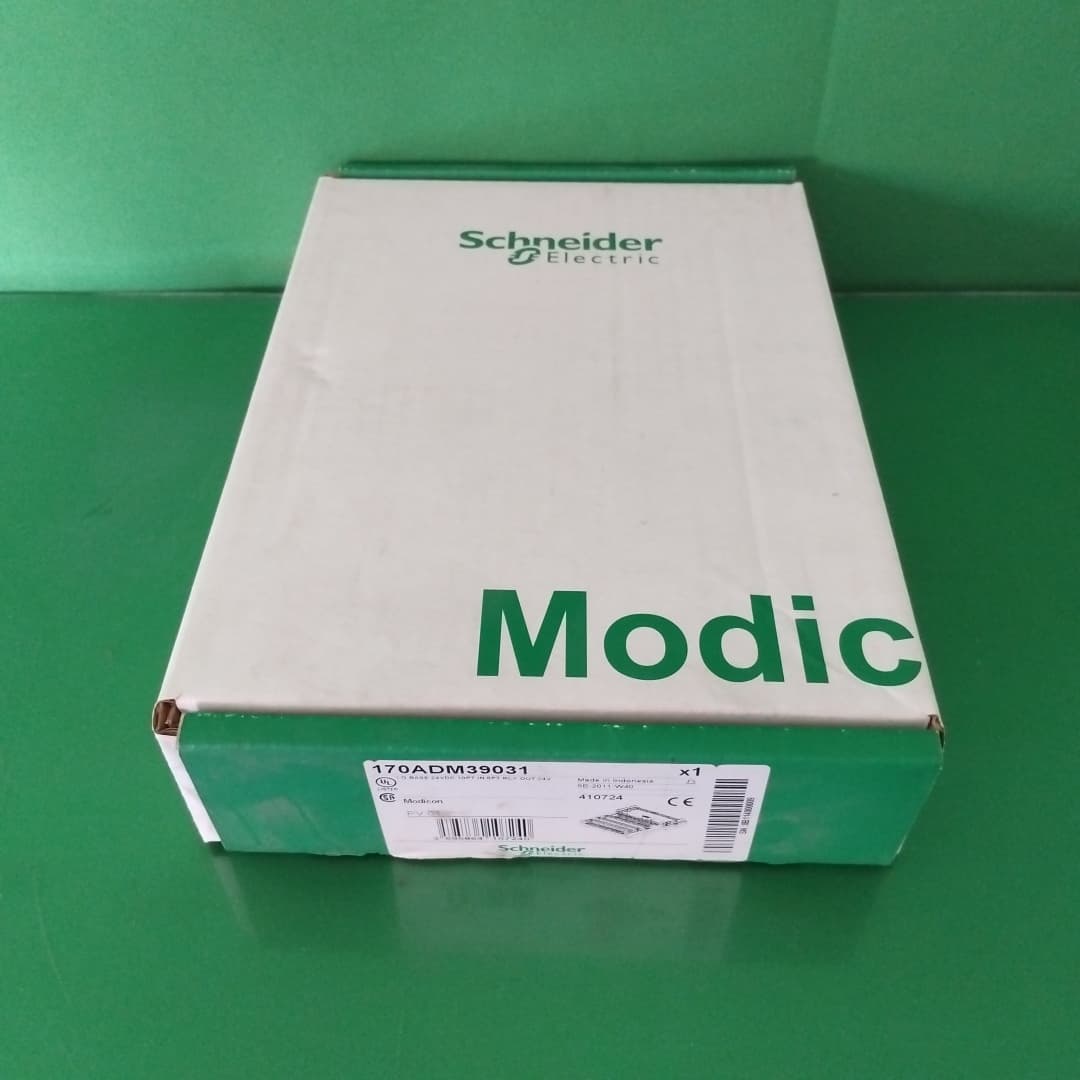
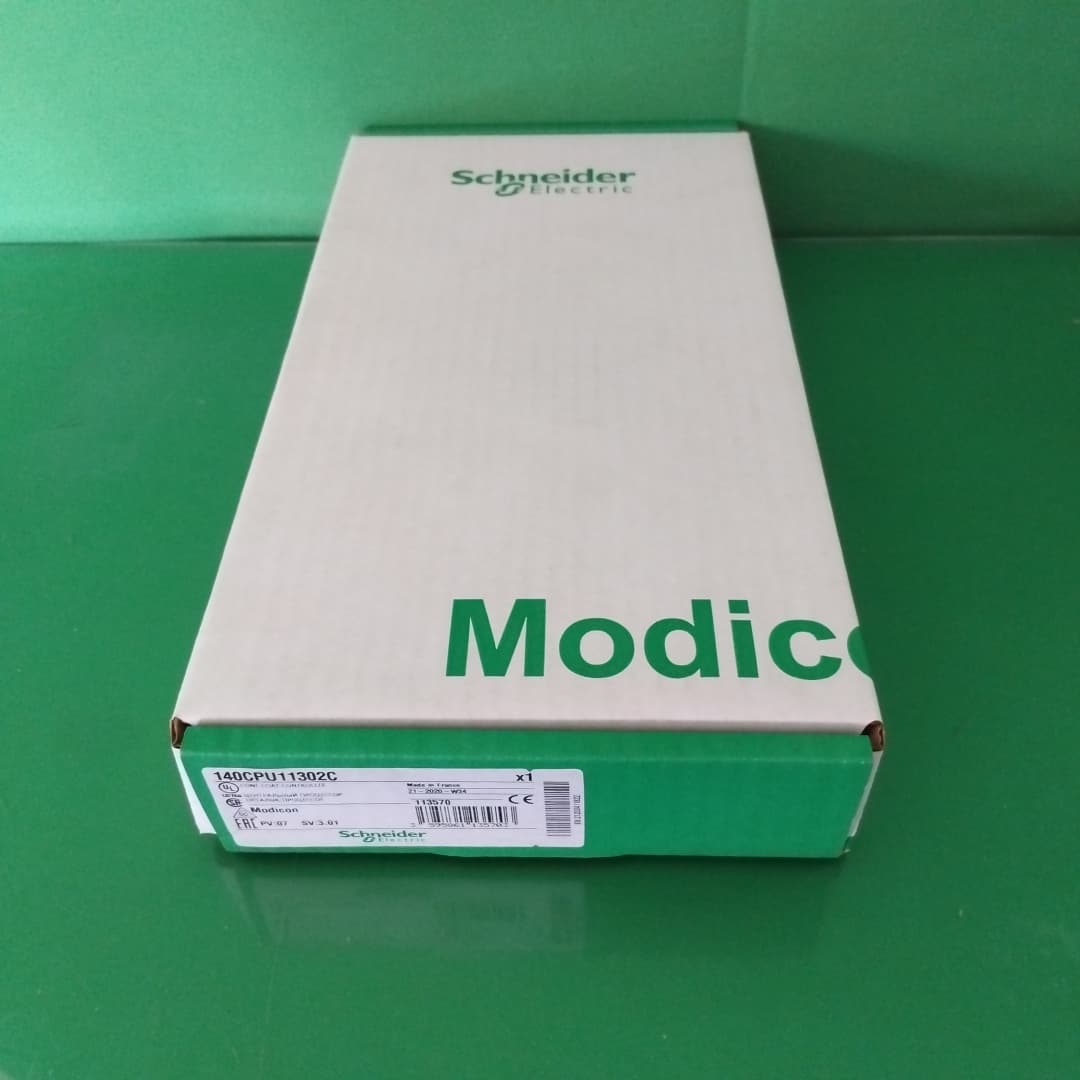
Shneider Electric is the global specialist in energy management and automation. “We design, manufacture and implement innovative and connected solutions for safe, reliable, efficient and clean energy. » as Adil Mokhles explains. Arriving 14 years ago as Distribution Network Manager for the Burgundy-Franche Compté region, he then held several positions in sales and marketing in different cities such as Dijon, Lyon and Paris. For more than a year, he has been the Regional Industry Director of the South Provence Côtes d'Azur region and part of Occitanie (formerly Languedoc Roussillon). He manages a sales team made up of eight sales managers who are in permanent contact with different types of customers: end users (Factories, SMIs), OEMs or systems integrators in particular.
For Adil Mokhles, the leitmotif of Shneider Electric is to “ satisfy the customer by meeting their needs in terms of automation architecture or technical solutions to better manage the industrial process and optimize machines, to gain productivity and profitability. »
What are the current developments in the industrial world and the new skills sought by companies to adapt to this change?
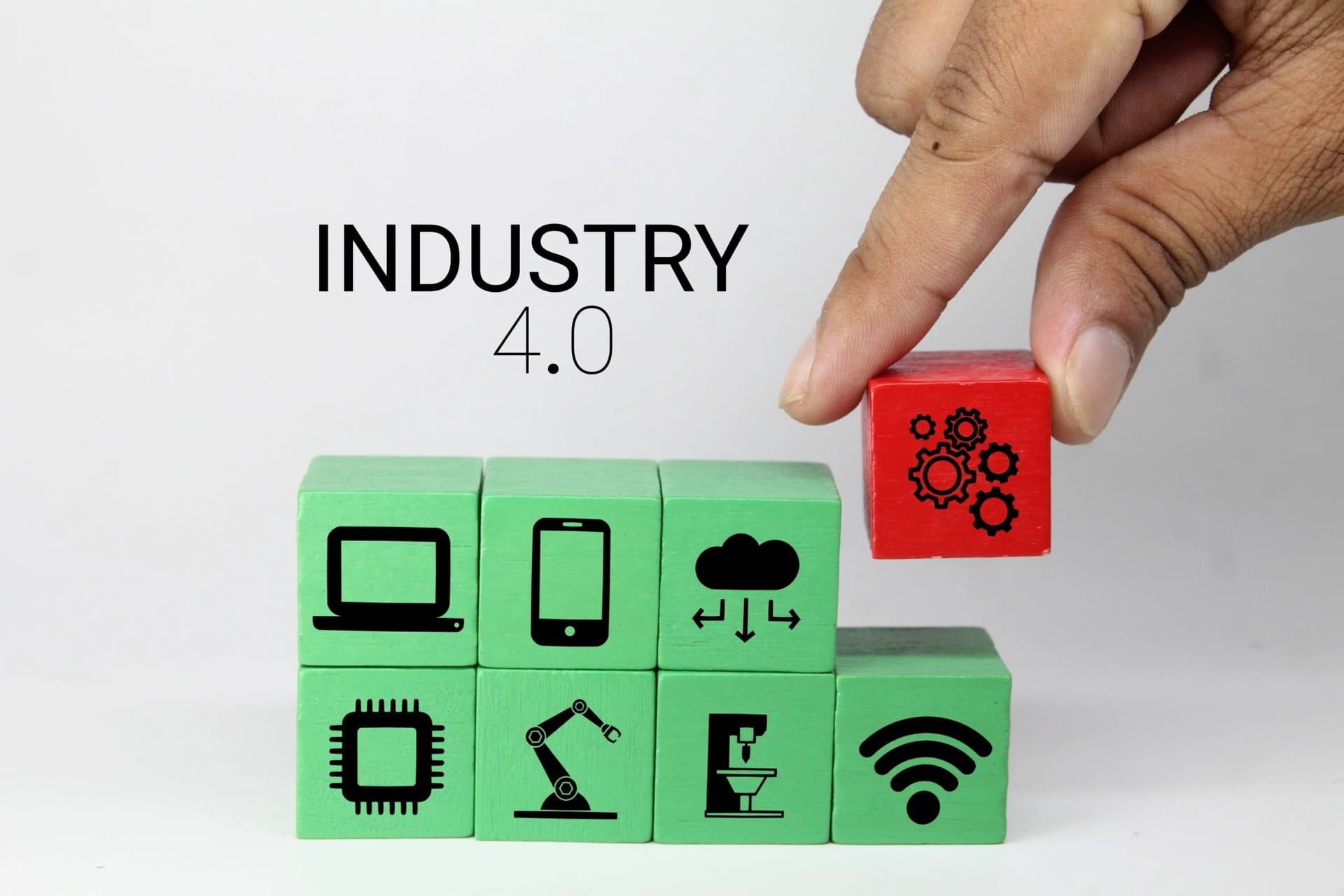
“ Manufacturers seek to improve their competitiveness and performance while taking into account environmental protection. Customers today are more demanding: they need a good quality product, delivered on time and paid at the right price. » underlines Adil Mokhles. This requirement challenges its team to find new solutions to meet this new demand. New technologies, driven by the 4th industrial revolution, help them gain agility and flexibility thanks to this digital revolution; industry 4.0 “factory of the future”.
The challenge for manufacturers is therefore to adapt their factories to the use of digital solutions such as IOT, AI, Big Data, Analytics, 3D printing, VR, AR, etc. in particular the supply chain: innovate to reduce delivery times and support developments in professions putting people at the center of all reflections and decisions.
On this last point, Adil Mokhles illustrates this trend with the increasing deployment of “Augmented Operators” within factories. This new profession corresponds to the detection of breakdowns via a touchscreen tablet “to diagnose the machine and reduce repair time”.
Shneider Electric factories have already initiated the shift towards Industry 4.0. What does this consist of and what are the economic and organizational impacts that this development generates?
With 200 factories around the world, Adil Mokhles confirms that he is “faced on a daily basis with issues that manufacturers know well: competitiveness, performance and respect for the environment”. To respond to these challenges, 5 competitiveness levers were identified following a study carried out jointly between experts and site directors:
The smart supply chain so that machines are always optimally supplied,
Training of Augmented Operators so that they adapt to the new working environment,
Performance management to make the best use of the industrial tool and improve its output,
Energy performance, inseparable from the competitiveness of the factory.
What are the missions and objectives of the Industry of the Future Alliance?
Created in July 2015, “its role is to support French companies and in particular SMIs in the modernization of their industrial tools and the transformation of their economic models using new, digital and non-digital technologies”. With interpersonal skills, know-how and human skills at the center of the success of this transformation, “its objective is to reposition French industry at the center of the country's economic development, which involves improving the competitiveness of companies. » concludes Adil Mokhles.
Schneider-Electric references in stock