Hyperautomation in industry: the complete guide

By Adil Mokhles · CEO EcoSpare · 5 min · 13 August 2026
Topic (single — in the URL)
Tags (several — outside the URL)
Process automation has long been enough to make factories more efficient. With digitalization, a more unified approach has become essential: hyperautomation, which no longer deals with an isolated task but orchestrates complete processes.
What does it cover for a production site, how does it differ from RPA and traditional automation, and how to deploy it? This guide answers these questions, from concept to implementation.
What is hyperautomation?
Hyperautomation consists of automating as many business and IT processes as possible by combining several data-driven technologies. Where automation handles an isolated task, hyperautomation orchestrates complex end-to-end processes: scenario anticipation, decision-making, tasks that previously required human intervention.
It draws on a toolbox: robotic process automation (RPA), machine learning (ML) and artificial intelligence (AI). In industry, it aims toautonomy of the production system : according to Andrew Kusiak (Journal of Intelligent Manufacturing), hyperautomation automates the space beyond the traditional automation layer, and is based on the digitalization and modeling of processes, particularly decision-making.
Hyperautomation vs. traditional automation: what’s the difference?
Traditional automation focuses on individual repetitive tasks, for example deploying a collaborative robot in place of an operator for a repetitive operation. Hyperautomation goes further: it optimizes all processes, including those already automated, across the company.
Most companies first adopt an ad hoc approach: they automate only part of the repetitive tasks and leave aside the more complex processes. Hyperautomation fills this void by unifying automation across the enterprise, using low-code and task orchestration tools.
Hyperautomation, RPA and intelligent automation: how they fit together
Three distinct but linked concepts, with the same objective: to optimize processes. Intelligent automation brings together a set of technologies, RPA, AI and ML. Hyperautomation is the disciplined, process-driven approach that uses these technologies to quickly identify, control and automate business and IT processes.
In other words: intelligent automation is the toolset ; hyperautomation is the strategy which puts them at the service of an end-to-end transformation. RPA is the starting point, but it is not enough on its own.
Why hyperautomation matters for industry
In industry, hyperautomation acts directly on three positions: production, quality and maintenance. It extends the digitalization of the park, an issue linked to the management of obsolescence of industrial equipment, since automating requires equipment maintained in good condition.
Key technologies: AI, machine learning, RPA and orchestration
The engine of hyperautomation is based on several complementary building blocks. There RPA performs repetitive tasks. The algorithms ofAI and ML optimize processes: they coordinate resources, analyze historical and real-time data, and trigger automated actions to avoid delays. THE orchestration tools connect these building blocks to complete processes in less time, with fewer errors and fewer resources.
Kusiak adds a dimension specific to the industry: THE digital twin applies to hyperautomation, but with models different from classic automation; optimization, process models, decision models. These automatons and control components are the material basis of the approach: you can explore the automation and industrial control components which equip these installations.
Concrete examples of hyperautomation in factories
The most mature application in the factory is predictive maintenance. Rather than reacting to failure, sensors (vibration, thermal, acoustic) feed machine learning models which detect emerging defects in equipment before it falls. This early detection allows repairs to be scheduled during scheduled shutdowns, instead of experiencing emergency outages.
Other uses are becoming more widespread: quality control by vision and sensors, which identifies faults online, and theproduction optimization by analysis of historical and real-time data. What these deployments have in common: connecting field signals to automated decisions, to reduce unplanned downtime and make production more reliable.
How to deploy hyperautomation: a step-by-step approach
Adoption cannot be improvised. Its deployment must be preceded by a study verifying that this end-to-end approach really brings value to the company's processes.
Build your roadmap
The process begins with a roadmap that clarifies the strategic vision and aligns business objectives with the necessary automation tools. Three criteria guide the priorities: turnover, cost and risks. This framework makes it possible to identify technologies that will improve processes, optimize their design to reduce costs and achieve economies of scale, while taking into account the risks of non-compliance.
Strongly growing market dynamics
Hyperautomation is not a fad. According to Gartner, the market for software that enables hyperautomation will reach $1.07 trillion by 2028, at a rate of 13.9% per year — driven by the search for operational efficiency, the digital transformation of data and regulatory developments.
FAQ: Hyperautomation in Industry
What is the difference between RPA and hyperautomation?
RPA automates isolated repetitive tasks. Hyperautomation is a broader strategy that orchestrates multiple technologies (RPA, AI, ML) to automate complex processes end-to-end, enterprise-wide.Is hyperautomation replacing intelligent automation?
No, they are complementary: intelligent automation is the set of technologies (RPA + AI + ML), hyperautomation is the disciplined approach that puts them at the service of process transformation.What is an example of hyperautomation in a factory?
Predictive maintenance: Sensors power machine learning models that detect equipment faults before failure, reducing unplanned downtime.
Conclusion
Hyperautomation unifies RPA, AI, ML and orchestration around a roadmap. Correctly framed, it reduces processing times, limits errors and makes production more reliable. Its adoption remains a decision that is being prepared: it is framed by the triptych of turnover / cost / risk, and is measured before being generalized.
Are you modernizing your industrial park? Explore Spare-Place automation and industrial control components to equip and make your installations more reliable.
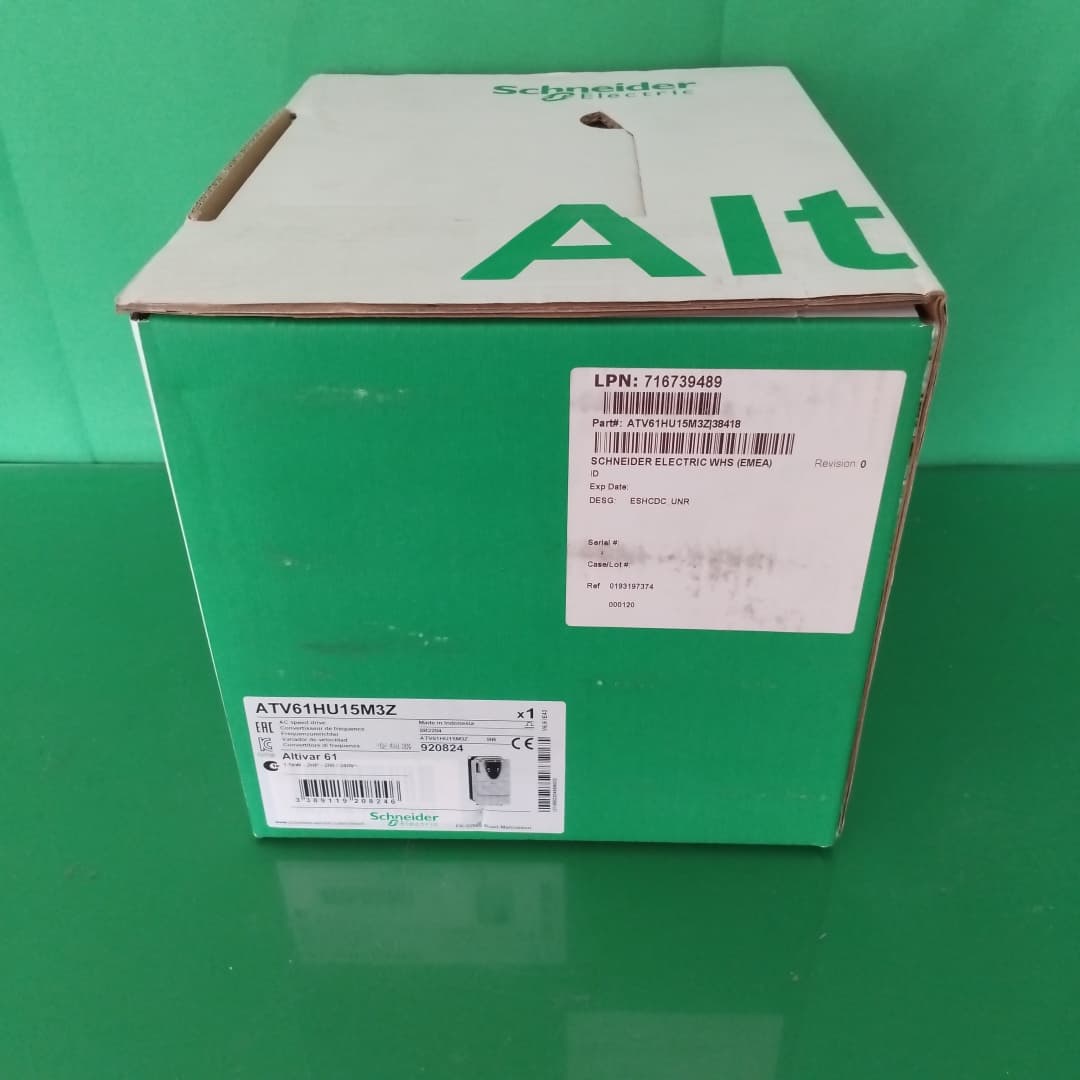
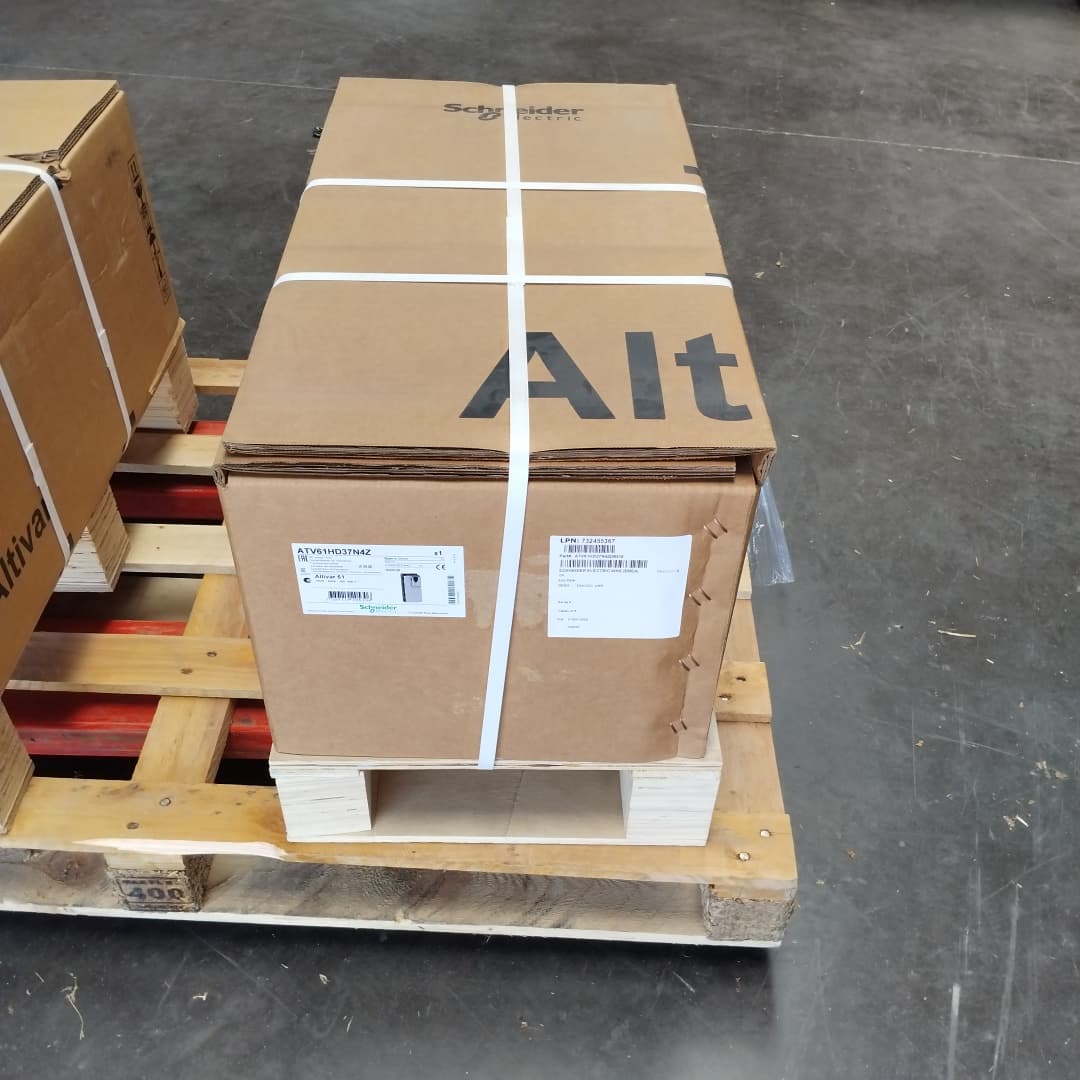
Schneider-Electric references in stock